Bandung Heritage, for Every Table

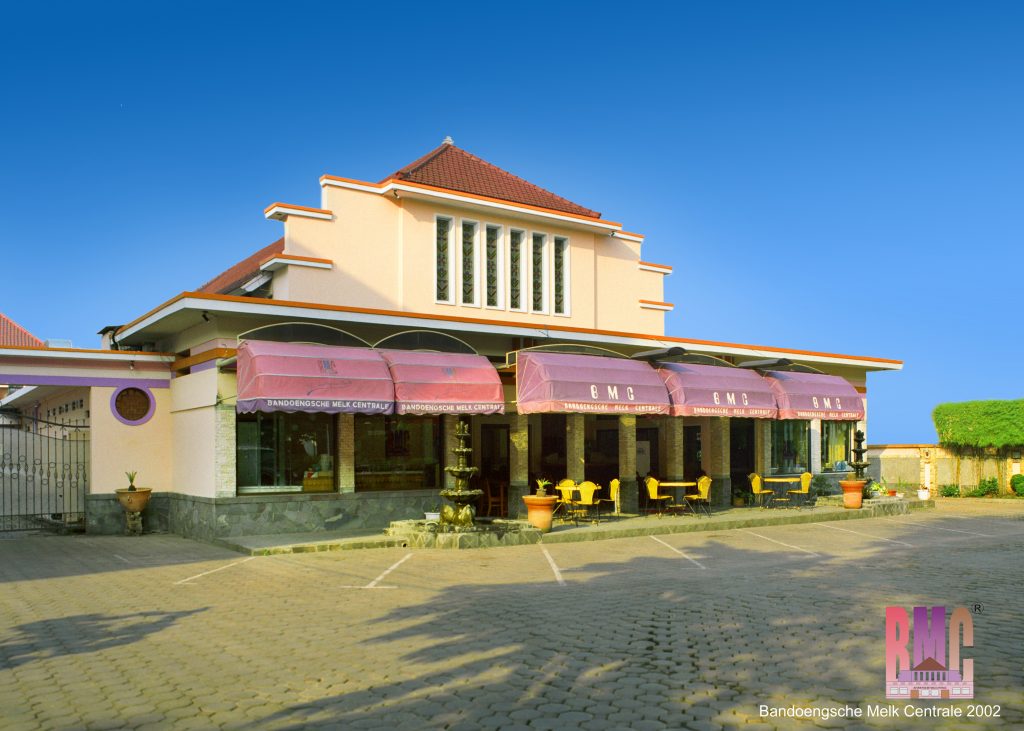
Since the Bandoengsche Melk Centrale era, we have been present through Manufacturing & Processing, Bottling, Restaurant, Catering and Bottled Drinking Water units — processing and serving quality products from the production kitchen to your table.

Built on Purpose, Rooted in Integrity

From heritage to daily practice — these are the commitments that define how BMC serves every stakeholder.

Vision
  • To become a leading company in products and services.
Mission
  • Produce the best quality products.
  • Provide excellent service to all stakeholders.
Norm Integrity
  • Honest in words and deeds.
  • Uphold moral values.
Norm Professional
  • Expert in their field of work.
  • Uphold professional ethics.

Legacy in Dairy Innovation: Tracing BMC's Historical Journey

From Dutch dairy pioneers to a heritage brand — explore the milestones that shaped BMC across more than a century

early 1900s

Dairy Beginnings

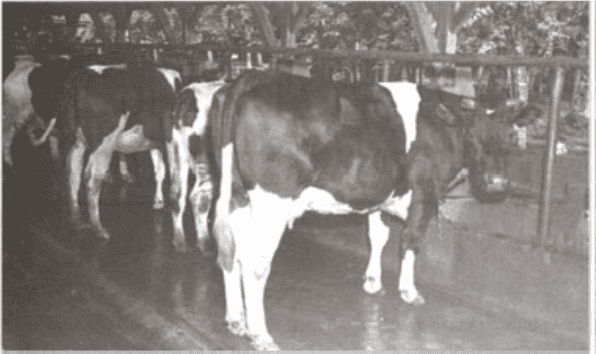
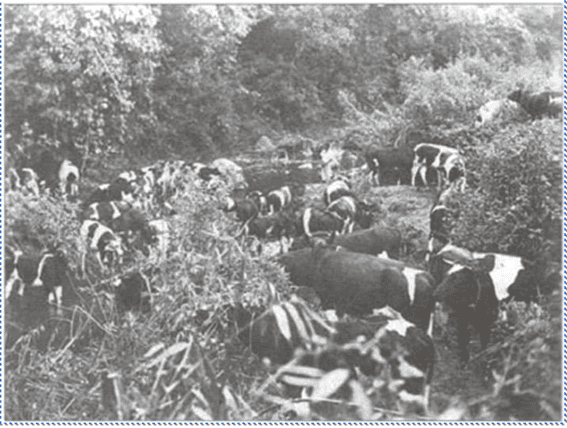
‘The Dutch Boers,’ Dutch settlers from South Africa aboard the ship ‘La Seyne,’ established plantations in Pengalengan, Lembang, contributing to Bandung’s reputation as a fertile region for high-quality milk production.

1928

BMC's Founding

The inception of Bandoengsche Melk Centrale (BMC) in Bandung originated as a dairy hub, initiated by The Dutch Boers to process and distribute the dairy products from their plantations. BMC emerged as Bandung’s pioneering milk processing center.

1938

Growth of Milk Production

In 1938, Bandung boasted 22 milk farms producing over 10,000 liters daily. BMC served as the central pasteurization facility, ensuring sterilization of this milk for distribution within and beyond the city.

Dutch colonial era

Quality Endorsement

BMC’s quality standards prompted the BMC Director to declare its significance as the sole milk processing center across the Dutch East Indies, acknowledging BMC’s exceptional processing and the adoption of Friesian cattle farming practices akin to those in Friesland, Netherlands.

1895–1940

Friesian Cattle Introduction

Generaal de Wet Hoeve in Cisarua led by Hirscland and Van Zijll was credited with introducing the first Friesian cows to the Nusantara in the early 20th century. Lembangsche Melkerij Ursone, established by the Ursone brothers in 1895, evolved from a modest 30 cows producing 100 bottles a day to over 250 cows with thousands of liters daily by 1940.

Dutch colonial era

European Managed Dairy Farms

Several dairy farms across West Java, including those near Situ Cileunca, operated by Europeans, resulted in the region being often likened to ‘Friesland in the Indies’ due to the abundance of dairy enterprises.

Dutch colonial era

Post-Independence Transitions

After various shifts in ownership (from Dutch to Japanese during the occupation, renaming to Koperasi Soesoe Bandoeng), BMC eventually came under the governance of the West Java Provincial Government after Indonesian independence.

1954–present

Continued Development

BMC, managed by the local company Kerta Sari Mamin in 1954, now operates under PT Agronesia. It has expanded its processing capabilities, not limited to milk but encompassing ice cream, butter, cheese, and cosmetic creams, meeting the rising demand for dairy products in West Java.

A Standard We've Upheld for Decades

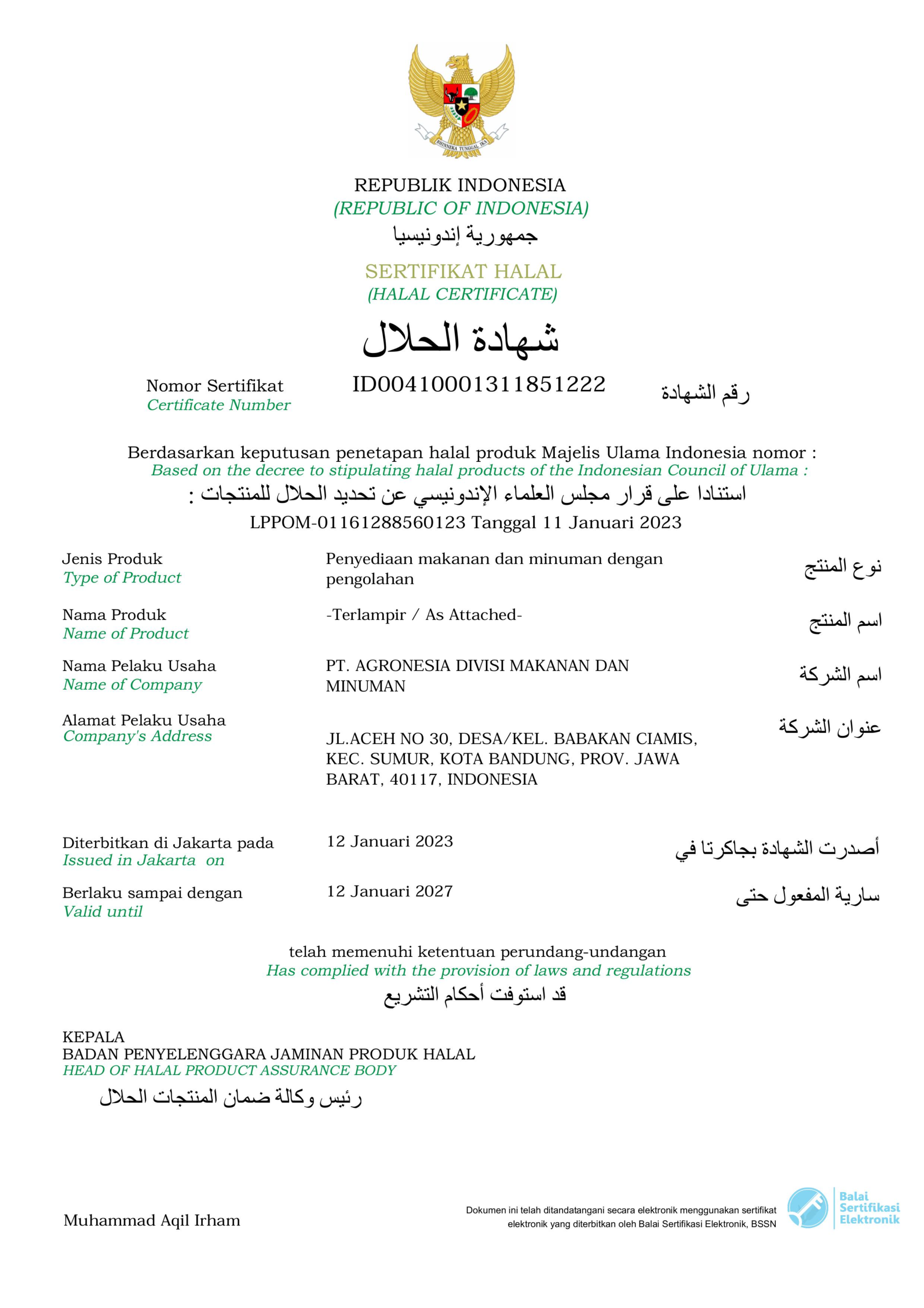
From our earliest days as Bandung’s pioneering milk processor, quality has always been non-negotiable.

Continuing a legacy, together

From our production floor to your table — let’s talk about how BMC can serve your business.